Vietnam is welcoming more international travelers and hotels are feeling the impact in ways that go beyond occupancy. In the first eight months of 2026, the country recorded 15.9 million international visitors, up 14.4% from the same period last year.
One part of that challenge is easy to overlook: communication.
A hotel may have excellent rooms, attentive staff and well-designed services, but none of that helps much if a guest cannot clearly explain what they need. As the number of international visitors grows, communicating across languages becomes part of everyday hotel operations.
Speaking English Is Not the Same as Communicating Well
Most international hotels already have employees who can communicate in English. The challenge often appears when the conversation becomes more specific.
It is relatively easy to explain where the restaurant is or tell a guest what time breakfast starts. It is different when a guest is describing a dietary restriction, explaining a problem with their room or asking about a hotel policy they do not fully understand.
These situations require more than vocabulary. Staff need to understand the context and the details of the request, while the guest needs to feel confident that the hotel has understood them correctly.
When that does not happen, guests may ask fewer questions, wait longer for a response or avoid requesting additional services altogether.
For the hotel, this can mean more work for staff and fewer opportunities to provide or sell services that could have improved the guest's stay.
Vietnam's International Visitor Numbers Are Still Rising
The scale of the market makes this issue increasingly relevant.
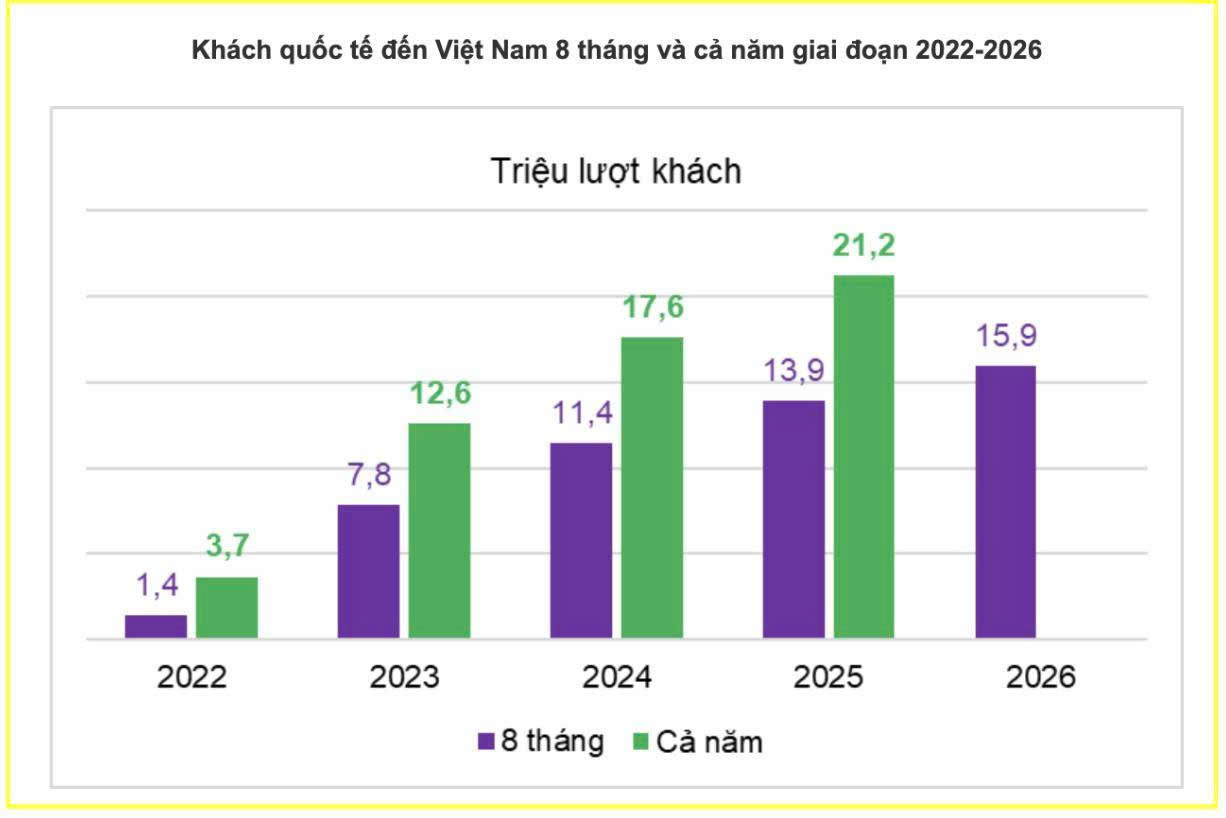
Source: National Statistics Office – Ministry of Finance, international visitor arrivals to Vietnam in the first eight months of 2026, nationwide data, published September 3, 2026. Last updated September 23, 2026.
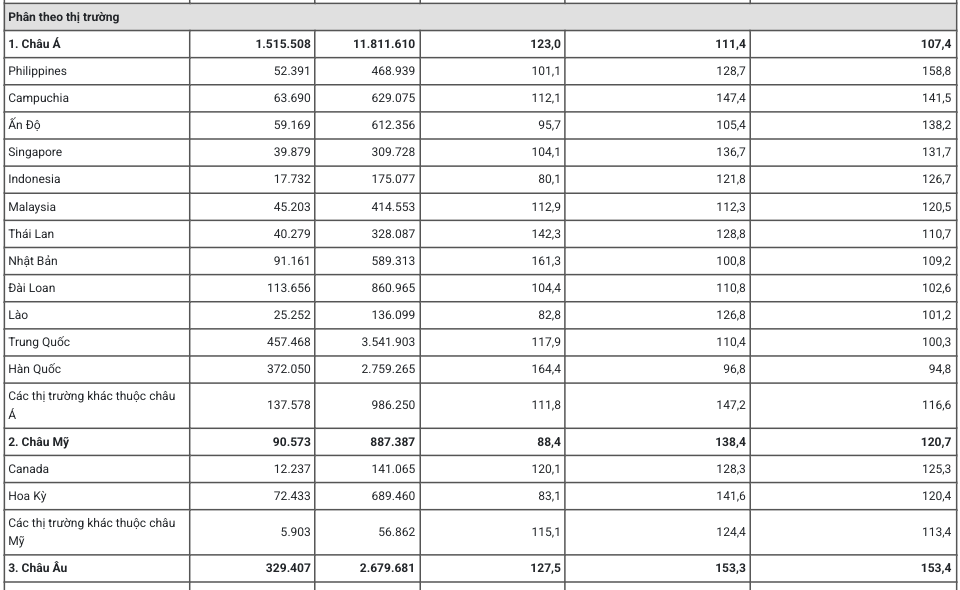
Source: Vietnam National Authority of Tourism, international visitor arrivals to Vietnam, nationwide tourism statistics.
The figures point to a hotel market serving guests from an increasingly diverse range of countries. English will continue to play an important role, but relying on English alone can leave gaps in the guest experience.
Where Technology Can Help
Hotels do not necessarily need every employee to speak every language. What they need is a reliable way for guests to communicate their requests and for staff to understand what needs to be done.
This is one area where multilingual AI can be useful.
A guest can communicate in a familiar language instead of trying to find the right words in English. The system can handle common questions, understand the request and provide the information needed for the hotel team to act on it.
For routine interactions, this can take some pressure off front desk and service staff, particularly during busy periods or overnight shifts.
The technology does not have to replace the conversation between a guest and an employee. In many cases, its value is simply making that conversation easier when it needs to happen.
How Neotels Works for Hotel Guests
Neotels is an AI Hospitality Platform that supports guest communication and hotel service operations.
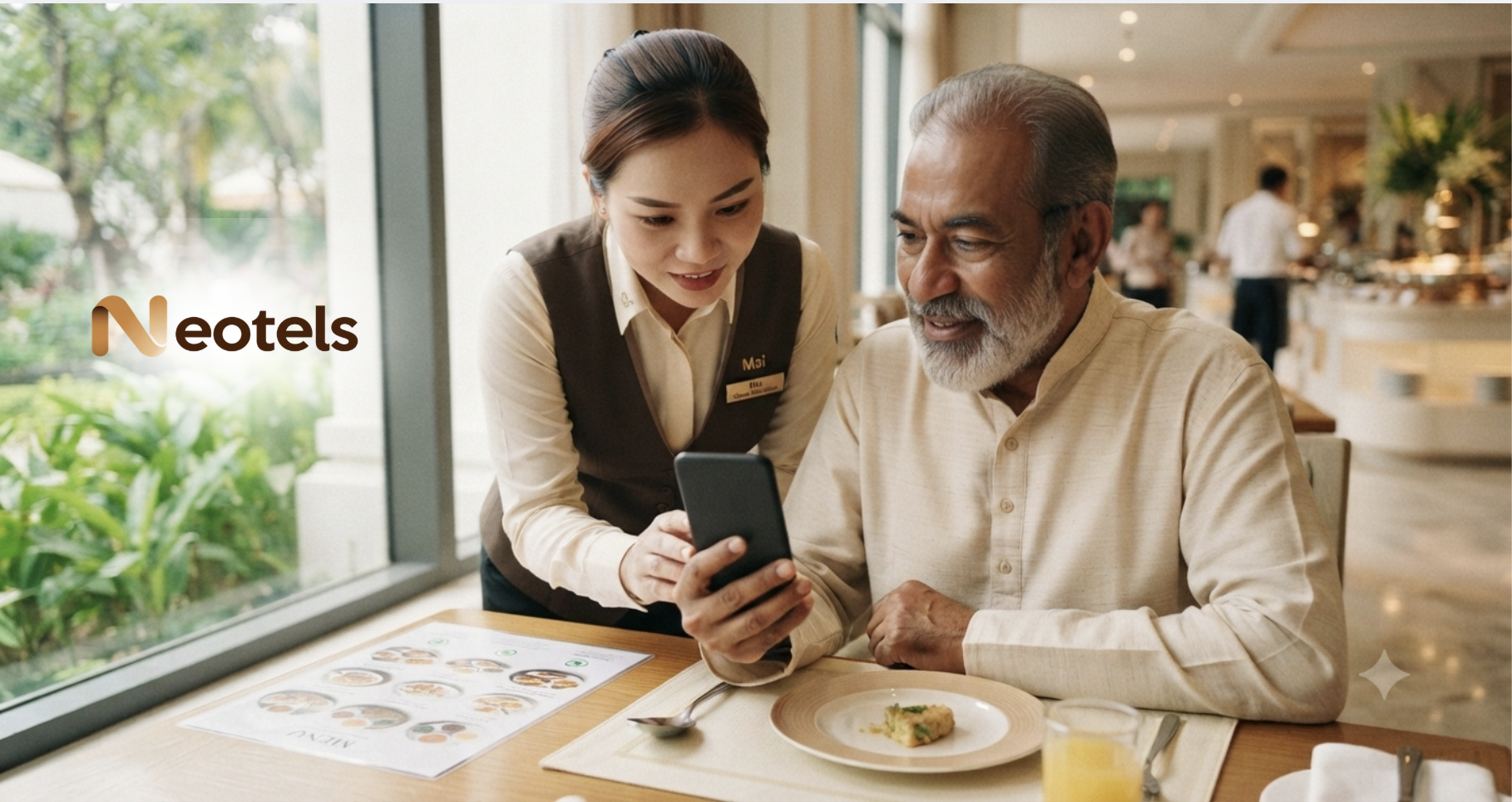
Through its Multilingual Chat, guests can communicate in more than 50 languages. They access the service by scanning a QR code with their phone, selecting their preferred language and starting a conversation. There is no need to download another app.
A guest might use it to ask a question about the hotel or submit a service request. Neotels processes the conversation and helps send the request to the appropriate department.
This is an important distinction from a basic translation tool. The purpose is not simply to translate what a guest says. The system helps turn the conversation into something the hotel can respond to and act on.
For example, instead of a staff member trying to interpret a request and then manually explaining it to another department, the request can be captured more clearly from the beginning.
That can make the process easier for both sides.
Preparing for a More International Hotel Market
Vietnam's tourism growth is creating opportunities for hotels, but it also raises the standard for how those hotels communicate with guests.
As more international travelers arrive, language diversity will become a normal part of hotel operations rather than an occasional challenge. Hotels will need ways to make communication easier without expecting their teams to cover every language themselves.
Multilingual AI can be one part of that solution.
For guests, it provides a more comfortable way to ask questions and request services. For hotel teams, it can reduce some of the repetitive communication involved in handling those requests. And for the hotel itself, better communication can mean fewer misunderstandings and a smoother guest journey.
The technology may sit behind the conversation, but the experience the guest remembers is still created by the people who serve them.
FAQ
Does Neotels require guests to download an app?
No. Guests can scan a QR code and use Neotels directly from their phone without downloading an additional app.Which languages can Neotels support?
Neotels supports more than 50 commonly used languages among international visitors to Vietnam.What can guests use Neotels for?
Guests can use Neotels to ask questions and submit requests to the hotel in their preferred language.Is Neotels a translation tool?
Not exactly. In addition to multilingual communication, Neotels processes guest requests and helps connect them with the relevant hotel department.Does Neotels replace hotel staff?
No. It is designed to support routine guest communication while hotel employees continue to handle service delivery, complex requests and situations that require human judgment.
Conclusion
As Vietnam welcomes more international travelers, effective multilingual communication is becoming an increasingly important part of hotel operations. AI can help hotels handle routine guest communication across languages while allowing staff to focus on service that requires a human touch.
Neotels supports this through multilingual guest communication and service request management, helping hotels make it easier for international guests to ask, receive, and act on information.
Book a Neotels demo to explore how the platform can support your hotel.